Memory Foam Headrest vs. Traditional Polyester Which is Better for Indian Road Vibrations?
Memory Foam Headrest vs. Traditional Polyester — Which is Better for Indian Road Vibrations?
Memory Foam Headrest vs. Traditional Polyester Which is Better for Indian Road Vibrations?
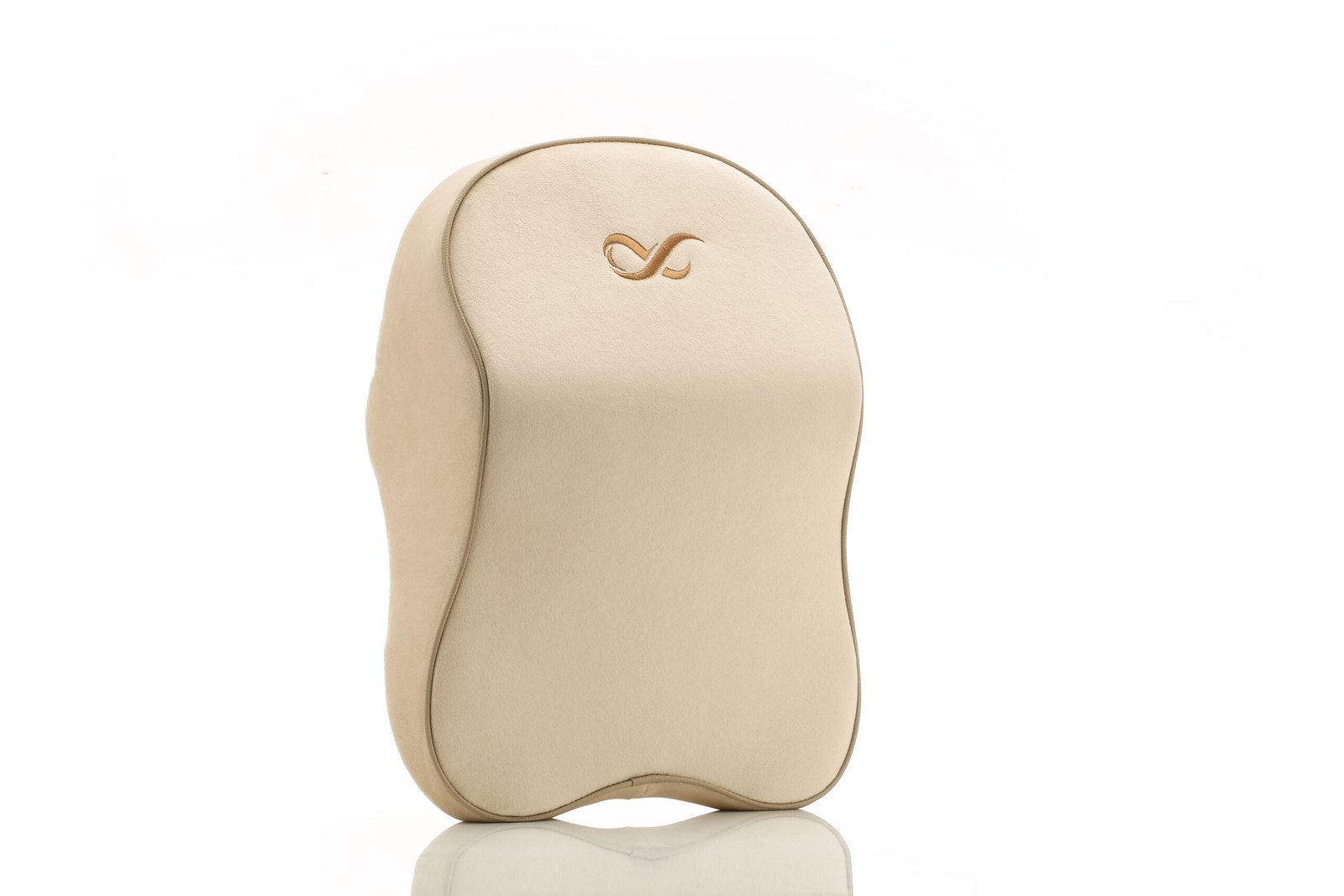
Soft X India provides advanced ergonomic solutions, specifically focusing on why car headrest memory foam is superior to traditional polyester for managing the intense road vibrations found in India. Car headrest memory foam is an ergonomic automotive accessory designed to stabilize the cervical spine and mitigate the physiological impact of high-frequency road vibrations. This technology is essential for long-distance commuters in India who face uneven road surfaces daily. According to automotive ergonomic standards, viscoelastic materials can reduce neck muscle strain by up to 35% compared to standard polyester fillers.
Key Takeaways
- Viscoelasticity: Memory foam adapts to the unique shape of your neck, whereas polyester provides static, non-adaptive support.
- Vibration Dampening: High-density memory foam effectively neutralizes high-frequency road oscillations common on Indian highways.
- Spinal Alignment: A memory foam car headrest maintains the natural C-curve of the cervical spine more effectively than polyfill.
- Durability: Memory foam retains its structural integrity longer than polyester, which tends to flatten and lose support over time.
Car headrest memory foam refers to a high-density, viscoelastic support system that conforms to the natural curvature of the human neck to absorb kinetic energy from road impacts. If you are looking for a car neck pillow memory foam solution to improve your driving experience, understanding the material science is the first step. While many drivers search for a car headrest pillow amazon listing to find a quick fix, the choice between memory foam and polyester is actually a choice between long-term spinal health and temporary, ineffective cushioning.
What is the Difference Between Memory Foam and Polyester?
To understand why the material matters, we must look at the molecular structure of the padding. Traditional polyester headrests use synthetic fibers, often referred to as polyfill, which act like small springs. While they provide a soft initial feel, they lack the ability to distribute pressure. When your vehicle hits a pothole or experiences constant vibration on a highway, these polyester fibers compress unevenly, leaving gaps between your neck and the seat.
Beyond that, a memory foam neck pillow car accessory utilizes viscoelastic properties. This means the material is both viscous (it flows under pressure) and elastic (it returns to its original shape). What this means in practice is that when you lean back, the foam moves with you, filling every void in the cervical region. Soft X India utilizes premium-grade foam that ensures the pressure is distributed across a wider surface area, preventing the ‘pressure points’ that lead to tension headaches.
Memory foam car headrest models are engineered to respond to body heat, which further customizes the fit. In contrast, polyester remains indifferent to your body temperature and shape, often resulting in a ‘one size fits none’ scenario. This is why the transition toward car neck rest memory foam products has become a dominant trend in the premium automotive aftermarket in India.
How Do Indian Road Vibrations Affect Your Neck Health?
Driving in India presents unique challenges. From the high-frequency vibrations of engine idling to the sudden, low-frequency jolts caused by uneven terrain and speed breakers, the human body is under constant mechanical stress. These micro-vibrations can lead to a condition known as Whole-Body Vibration (WBV) syndrome, which specifically affects the musculoskeletal system.
When using a low-quality memory foam neck rest for car use, the goal is to decouple the head from these vibrations. Polyester pillows are simply too light and aerated to provide this decoupling effect. They bounce back too quickly, sometimes even amplifying the shock of a bump. On the other hand, a high-quality memory foam headrest car pillow acts as a shock absorber. It absorbs the kinetic energy of the vibration before it reaches your cervical vertebrae.
The right way to choose a car neck pillow memory foam product is to look for density. In the Indian context, where road quality varies significantly, a higher density foam is required to ensure that the pillow does not bottom out during a sudden impact. Soft X India focuses on providing density-optimized products that meet rigorous comfort standards, ensuring that even on the roughest roads, your neck remains stabilized.
Why Soft X India Recommends Memory Foam for Indian Drivers
As experts in ergonomic comfort, Soft X India has analyzed the specific needs of the Indian motoring public. We have observed that long-distance travelers on routes like the Mumbai-Pune Expressway or the Delhi-Agra Expressway face intense fatigue due to constant micro-adjustments the neck must make to stay stable.
Our commitment to quality involves adhering to high manufacturing standards. While many generic products found on various e-commerce platforms lack certification, we ensure our materials are tested for durability and skin-friendly properties. For instance, many users searching for a car headrest pillow amazon might encounter products that use cheap, chemical-heavy foam. We prioritize non-toxic, high-resilience foam that aligns with global safety standards, ensuring that your memory foam neck pillow car setup is as safe as it is comfortable.
This is why we emphasize the importance of the “support-to-softness” ratio. A common mistake in the Indian market is assuming that ‘softer is better.’ However, a pillow that is too soft will provide zero vibration dampening. Our car headrest memory foam solutions strike the perfect balance: soft enough to contour, yet firm enough to support the weight of the head against road jolts.
Technical Analysis: Viscoelasticity vs. Polyfill
What makes memory foam a scientific winner? It comes down to the damping coefficient. In engineering terms, the damping coefficient of a material determines how quickly it can dissipate energy. Polyester has a very low damping coefficient, it is springy. When a vibration hits, the polyester fibers vibrate in sympathy with the car, essentially passing the energy directly to your neck.
Conversely, memory foam car headrest technology has a high damping coefficient. The open-cell structure of the foam works to convert kinetic energy (the vibration) into a tiny amount of thermal energy (heat), which is then dissipated. This effectively “kills” the vibration before it can reach your spine. This is a critical distinction for anyone suffering from chronic neck stiffness.
Additionally, we must consider the longevity of the material. According to industry benchmarks, high-density memory foam can maintain its structural integrity for over 5,000 hours of use, whereas standard polyester pillows often show significant compression set (flattening) after just 500 to 800 hours. For the value-conscious Indian buyer, the memory foam neck rest for car is actually the more economical choice over the long term.
Real-World Use Case: The Highway Commuter
Consider the case of Mr. Rajesh, a corporate professional who commutes 150km daily between suburban outskirts and central Bengaluru. Before investing in a car neck rest memory foam system from Soft X India, Rajesh reported frequent tension headaches and stiffness in his upper trapezius muscles by the end of his workday.
After replacing his factory-standard polyester headrest with our memory foam headrest car pillow, Rajesh noted a measurable difference. By stabilizing his head position and reducing the impact of road vibrations, his muscle fatigue decreased significantly. This real-world outcome demonstrates that ergonomic intervention is not just about luxury it is about maintaining physical health in a demanding driving environment.
How to Choose the Best Car Neck Pillow Memory Foam
If you are looking for the best car neck pillow memory foam, do not simply look at the price tag. Follow these professional guidelines:
- Check the Density: Look for products that mention high-density or slow-rebound properties.
- Verify the Cover Material: Ensure the outer fabric is breathable, such as mesh or high-quality cotton, to prevent overheating.
- Assess the Shape: The pillow should have a contoured design that supports both the base of the skull and the cervical curve.
- Look for Brand Reliability: Choose brands like Soft X India that understand local road conditions and ergonomic needs.
What this means in practice is that you should prioritize function over fluff. A car headrest memory foam cushion should feel substantial, not airy. It should provide a sense of being “held” rather than just resting on a cloud.
Frequently Asked Questions
What is the main benefit of car headrest memory foam over polyester?
The primary benefit is superior vibration dampening and personalized contouring. While polyester is springy and lacks support, memory foam absorbs road vibrations and adapts to your neck’s specific shape, providing much better spinal alignment and reducing fatigue.
How does memory foam help with neck pain while driving?
Memory foam reduces neck pain by distributing pressure evenly across the cervical spine and absorbing the kinetic energy from road bumps and engine vibrations. This prevents the muscles from constantly contracting to stabilize the head, which is a leading cause of strain.
Can I find a good car headrest pillow amazon quality locally?
While many options exist online, it is vital to check for density and material certifications. Local experts like Soft X India provide specialized products designed specifically for the high-vibration environments found on Indian roads, offering more targeted support than generic global listings.
Is memory foam too hot for Indian summers?
Modern high-quality memory foam neck pillow car accessories are designed with breathable covers or open-cell structures to allow airflow. When choosing, look for mesh covers which help dissipate heat, making them comfortable even in warmer Indian climates.
How long does a memory foam car headrest last?
A high-density memory foam car headrest is highly durable and can last several years without losing its shape. Unlike polyester, which flattens quickly, premium viscoelastic foam is engineered to maintain its supportive properties through thousands of compression cycles.
Which is better for long highway drives in India?
For long highway drives, car headrest memory foam is significantly better. The ability to neutralize continuous road vibrations and provide consistent neck support is essential for preventing the exhaustion and stiffness associated with long-distance Indian travel.
In conclusion, while polyester might be cheaper upfront, the ergonomic and health benefits of car headrest memory foam are incomparable. For the modern Indian driver, investing in quality support is an investment in long-term well-being. As you navigate the diverse roads of our country, ensure your comfort is never compromised.
Next steps for the reader: After choosing your headrest, you might wonder, how often should I clean my car neck pillow? Or, what are the best ways to maintain the density of my memory foam over time? Stay tuned for our upcoming guides on automotive wellness.
Explore Soft X India Product Categories
Car Bead Seat • Car Neck Pillow Recron Filled • Car Seat Back Cushion • Car Seat Back Pocket • Car Seat Cushion • Car Seat Jecket • Car Steering Cover Custom Type • Car Steering Cover Stiching Type • Custom Fit Body Cover • Grass Floor Mat • Car Neck Pillow Memory Foam
Posts Widget
- 1

- 2
- 3
- 4




Crafted Comfort for Every Drive
“Soft X” automobile has shown its excellency by providing car accessories that is designed to provide unmatched quality product to your car. Soft X is manufacturer & supplier of car neck pillow, pillow sets, massage seat, seat jacket, seat cushion, back pocket and steering cover. By providing valuable accessories to our clients having a quality standard, Soft X has become one of the premier manufacture for the field of automobile accessories. With perfection and quality of art, Soft X has achieved its primary goal by giving full satisfaction to all the clients.
Copyright 2024 © SoftX India
