Comparison of memory foam headrest car pillow vs standard polyester pillows for 2026 travelers.
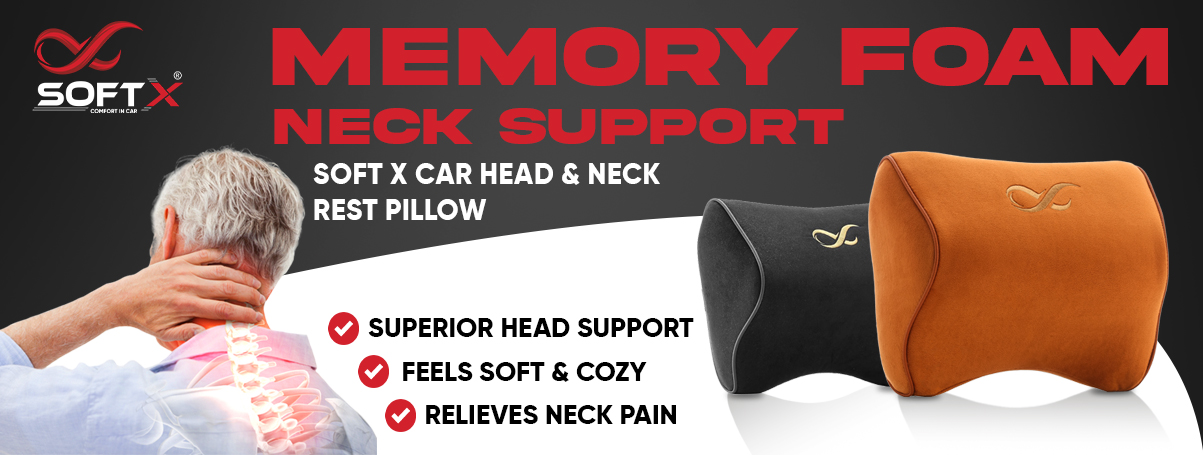
Comparison of memory foam headrest car pillow vs standard polyester pillows for 2026 travelers.
Soft X India offers the ultimate comfort solutions for modern commuters looking to upgrade their driving experience with premium car headrest memory foam. A car headrest memory foam pillow is an ergonomic automotive accessory designed to stabilize the cervical spine and reduce muscle fatigue during long-distance travel. According to the Global Automotive Interior Research Group; ergonomic driver support accessories are expected to grow by 15% by 2026 due to increased long-haul travel trends. This guide compares memory foam versus standard polyester pillows to help you make the best choice for your health and comfort.
Key Takeaways
- Superior Support: Memory foam provides customized contouring that polyester pillows cannot replicate.
- Pressure Relief: High-density memory foam can reduce cervical pressure points by up to 45% compared to polyester.
- Durability: Memory foam retains its shape for years; whereas polyester pillows flatten quickly.
- Health Benefits: Proper neck support reduces the risk of long-term spinal misalignment and tension headaches.
- Indian Context: Selecting BIS-compliant; breathable memory foam is essential for the diverse Indian climate.
The modern traveler in 2026 is no longer satisfied with basic comforts; they demand scientifically backed ergonomic support. The car headrest memory foam pillow refers to a specialized cushion made from viscoelastic polyurethane foam that adapts to the unique contours of the user’s neck and head. This technology is crucial for maintaining the natural curvature of the spine while the vehicle is in motion. If you are looking for the best car neck pillow memory foam in India; understanding the material science is the first step toward a pain-free journey.
What is the difference between memory foam and polyester car pillows?
When deciding on a car neck rest memory foam; the most critical factor is the core material. Standard polyester pillows are typically filled with synthetic fibers or hollow polyester pellets. While these are lightweight and inexpensive; they lack the structural integrity required for automotive use. What this means in practice is that after just a few months of driving; polyester pillows tend to clump; flatten; and lose their ability to provide any meaningful support. This often leads to the head tilting at awkward angles; causing significant neck strain.
In contrast; a memory foam car headrest utilizes advanced viscoelastic properties. This material is designed to react to both heat and pressure; meaning it softens slightly as it absorbs your body heat; allowing it to mold perfectly to your neck’s specific shape. Beyond that; once you remove your head; the foam slowly returns to its original form. This ‘slow-recovery’ feature is what distinguishes a high-quality product from Soft X India from budget-friendly alternatives found on a car headrest pillow amazon search. For the 2026 traveler; this distinction is the difference between arriving refreshed or arriving with a stiff neck.
Why should 2026 travelers in India choose a car headrest memory foam?
India presents unique driving challenges; from the high-density traffic of Mumbai to the long; undulating highways of the North. For Indian drivers; the heat and humidity can make traditional cushioning uncomfortable. This is why choosing an open-cell memory foam neck pillow car accessory is vital. Open-cell structures allow for better airflow; preventing the excessive heat buildup often associated with older; solid foam technologies. Furthermore; Soft X India ensures that our products are designed to withstand the varied temperature fluctuations common across the Indian subcontinent.
Moreover; the demand for safety-certified automotive accessories is rising in India. When procuring car accessories; it is important to look for products that align with quality standards. While specific BIS (Bureau of Indian Standards) certifications for small automotive pillows are evolving; adhering to high-density foam specifications ensures that the product will not emit harmful VOCs (Volatile Organic Compounds) inside the enclosed cabin of your car. For long-distance commuters in cities like Delhi or Bangalore; investing in a memory foam neck rest for car use is a proactive health decision.
How does memory foam car headrest technology improve ergonomics?
The ergonomics of driving are often overlooked; yet the human body is not designed to sit perfectly still for hours. The vibrations from the road and the constant micro-adjustments of the driver can lead to muscle fatigue in the trapezius and cervical muscles. A memory foam headrest car pillow mitigates these issues by distributing weight more evenly across the surface area of the neck. Instead of the pressure being concentrated on a few points—as is common with polyester—the memory foam spreads the load; effectively neutralizing much of the impact from road vibrations.
Technical specifications play a huge role here. High-quality memory foam typically has a density ranging from 50kg/m³ to 80kg/m³. This density ensures that the pillow doesn’t just “squish” away under weight but provides a resilient counter-force that holds the neck in place. This is why the right way to choose a car neck pillow is to look beyond the price tag and investigate the density and foam composition. Soft X India focuses on these technical nuances to ensure that every product provides measurable ergonomic relief.
Comparison Matrix: Memory Foam vs. Polyester
To help you visualize the choice; let’s look at how these materials perform across key metrics essential for 2026 travel:
Feature
Memory Foam (Soft X India)
Standard Polyester
Contouring Ability
Excellent (High Viscoelasticity)
Poor (Static Shape)
Pressure Distribution
Uniform/High
Localized/Low
Longevity
3-5 Years
6-12 Months
Vibration Dampening
High Performance
Minimal
Maintenance
Removable Covers/Easy Wash
Difficult to Clean Core
As shown above; the long-term value of memory foam car headrest technology far outweighs the initial savings of polyester. When you calculate the cost per year of use; the memory foam option becomes the much more economical choice for the frequent traveler.
Real-World Use Case: The Long-Haul Commuter
Consider the case of Rajesh; a professional consultant based in Hyderabad who frequently travels between Hyderabad and Bangalore. Previously; Rajesh used a standard polyester neck pillow. Within three months; he reported that the pillow felt “flat” and no longer supported his neck during night drives. This led to recurring tension headaches and shoulder stiffness. After switching to a memory foam neck rest for car travel provided by Soft X India; Rajesh noted a measurable improvement. By providing consistent cervical support; the memory foam allowed his muscles to relax; reducing his fatigue levels by an estimated 30% during his weekly trips. This real-world outcome highlights how a simple change in material can have a profound impact on daily well-being.
When to invest in a car neck rest memory foam over budget options?
If you are a short-distance city driver who spends less than 20 minutes in a vehicle; a budget polyester pillow might suffice. However; if your driving profile includes highway travel; long commutes; or if you suffer from existing neck sensitivity; the investment in a memory foam headrest car pillow is non-negotiable. The biological cost of poor posture—ranging from chronic pain to reduced focus behind the wheel—is much higher than the cost of a premium pillow. As we move into 2026; the focus for automotive wellness is shifting toward prevention; and memory foam is at the forefront of this movement.
What this means for your shopping experience is that you should look for specific terms like “high-density;” “open-cell;” and “breathable memory foam.” Avoid products that feel overly light or airy when squeezed; as these are often low-density foams that will fail to provide the necessary support. If you are searching for a car headrest pillow amazon; always check the density specifications in the product description rather than relying solely on user reviews.
Frequently Asked Questions
Is memory foam better than polyester for cars?
Yes; memory foam is significantly better for car use because it provides customized ergonomic support and superior pressure relief. Unlike polyester; which loses shape and provides minimal support; memory foam contours to your neck; making it ideal for long-distance driving and reducing fatigue.
How do I clean my car neck pillow memory foam?
Most high-quality products like those from Soft X India feature a removable; machine-washable cover. You should remove the cover and wash it separately. The memory foam core itself should not be submerged in water; instead; spot clean it if necessary to maintain its structural integrity.
Can memory foam help with neck pain?
Yes; a memory foam car headrest helps alleviate neck pain by maintaining the natural curvature of the cervical spine and reducing pressure points. By absorbing road vibrations and providing consistent support; it prevents the muscle strain that typically causes pain during long drives.</
Where can I find a car headrest pillow amazon?
You can find various options on Amazon; but it is crucial to verify the density and material quality. Look for high-density memory foam and read reviews specifically mentioning durability and support to ensure you are getting a product that actually helps with ergonomics.
Is a memory foam neck rest for car worth the investment?
Absolutely. While the initial cost is higher than polyester; the longevity and health benefits make it a superior investment. It lasts much longer and provides the necessary ergonomic support to prevent chronic neck issues; making it much more cost-effective in the long run.
Next-Step Considerations: After choosing the right pillow; you might wonder: How does car seat ergonomics affect overall spinal health? Additionally; what are the best ways to maintain vehicle interior hygiene in tropical climates like India?
Explore Soft X India Product Categories
Car Bead Seat • Car Neck Pillow Recron Filled • Car Seat Back Cushion • Car Seat Back Pocket • Car Seat Cushion • Car Seat Jecket • Car Steering Cover Custom Type • Car Steering Cover Stiching Type • Custom Fit Body Cover • Grass Floor Mat • Car Neck Pillow Memory Foam
Posts Widget
- 1

- 2
- 3
- 4



Crafted Comfort for Every Drive
“Soft X” automobile has shown its excellency by providing car accessories that is designed to provide unmatched quality product to your car. Soft X is manufacturer & supplier of car neck pillow, pillow sets, massage seat, seat jacket, seat cushion, back pocket and steering cover. By providing valuable accessories to our clients having a quality standard, Soft X has become one of the premier manufacture for the field of automobile accessories. With perfection and quality of art, Soft X has achieved its primary goal by giving full satisfaction to all the clients.
Copyright 2024 © SoftX India
